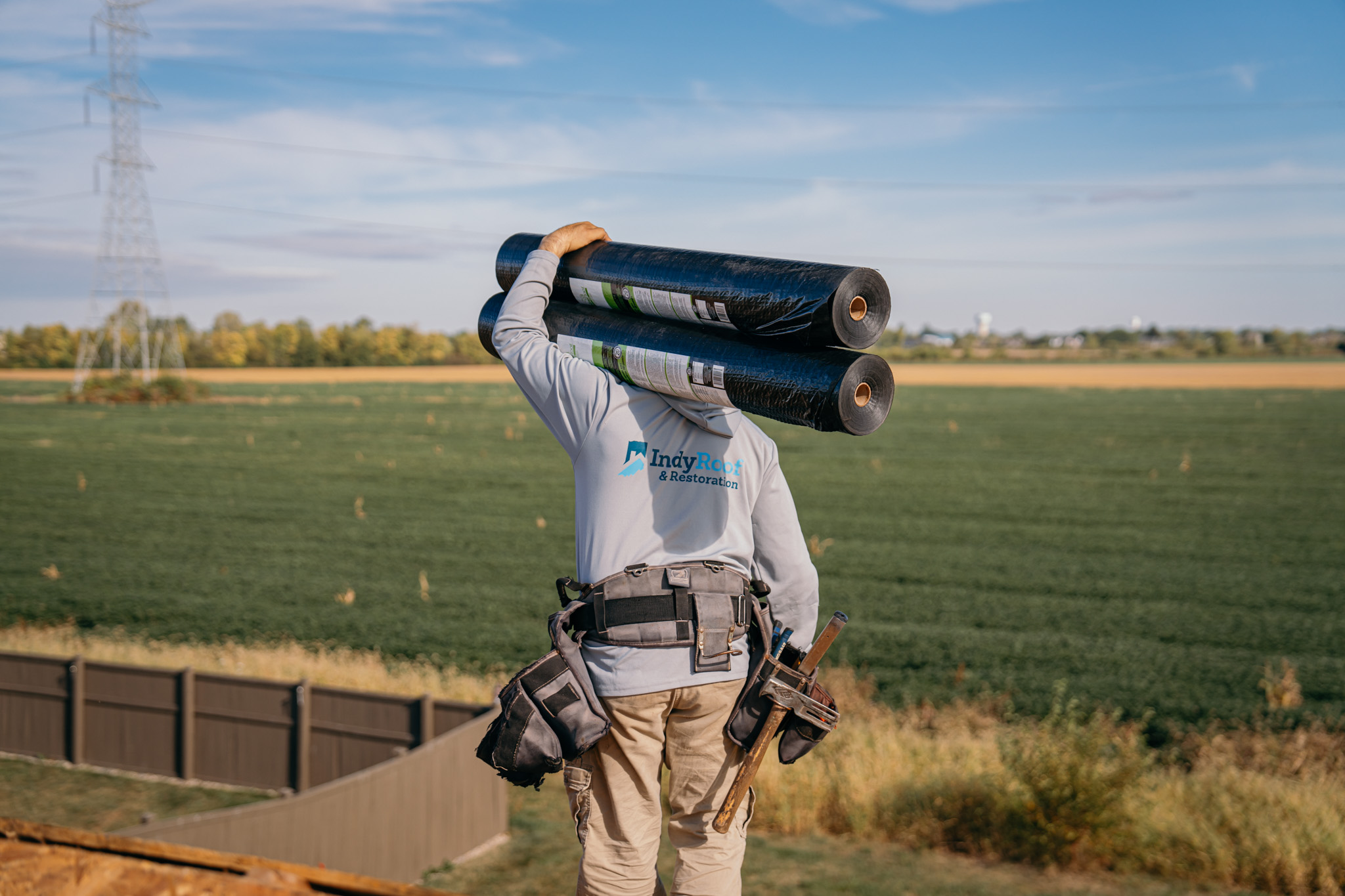
The main commercial roof coating types
Several coating types are used on commercial roofs, and understanding what each one is comes first for a Brookside owner weighing them. Each type has a distinct character that makes it suited to certain roofs and conditions.
Acrylic coatings
Acrylic is a water based coating valued for strong reflectivity, ease of application, and lower cost. It reflects sunlight well, helping cool the building, and is straightforward to apply and recoat. Acrylic is a sacrificial coating that gradually weathers and is renewed with periodic recoats. It works best on roofs that drain well, since as a water based product it does not handle prolonged standing water as well as some types. For a roof that drains and where reflectivity matters, acrylic is a popular, economical choice.
Silicone coatings
Silicone is a moisture cured coating known for exceptional resistance to standing water and ultraviolet light. It does not break down under prolonged ponding or get brittle under intense sun, which are its signature strengths, and it is typically applied in a single thick coat. Its tradeoffs are a higher cost, a tendency to attract dirt that can reduce reflectivity, and that it must be recoated with silicone. For a Hamilton County roof that ponds water or sits in strong sun, silicone is built for those conditions.
Urethane coatings
Urethane, or polyurethane, coatings are prized for durability and impact resistance, handling foot traffic and physical wear better than softer coatings. They often come in two forms used together: a tougher base coat and a more weather resistant top coat. This toughness makes urethane a strong choice for roofs with significant traffic or that need extra physical durability. For a Brookside roof that gets walked frequently or needs to withstand impact, urethane's resilience is a real advantage, though it sits at a higher cost.
Asphalt based and other coatings
Asphalt based or bituminous coatings are used particularly on modified bitumen and built up roofs, offering an economical way to extend those asphalt systems with compatible material. Other specialized coatings exist for particular substrates and needs. These have their place on the right roof type, providing a cost effective option where they match the existing roof. For a building with an asphalt based roof, a compatible coating can be a sensible, economical extension suited to that substrate.
Different types for different roofs
Each type, acrylic's reflective economy, silicone's water and UV resistance, urethane's durability, and asphalt based coatings for asphalt roofs, suits different roofs and conditions. None is universally best, and the variety exists because roofs and needs differ. For a Hamilton County owner, knowing these types is the foundation for matching the right coating to the roof, which the rest of this guide helps with.
Find the right coating type for your roof
The broader point about coating types is that the chemistry only matters once the roof itself qualifies, because no coating type can rescue a roof that is failing. A Brookside owner who starts with an honest inspection of the roof's soundness, then chooses the type to match the conditions, gets the full value a coating can offer. Skipping that first step and coating a roof that needed replacing wastes the spend regardless of which type is used, which is why candidacy comes before the type decision.
Finally, because the right coating type depends so heavily on the specific roof, its drainage, traffic, exposure, and substrate, an accurate recommendation requires a real look at the building rather than a general rule. A owner who gets a professional inspection learns not only which type fits but whether coating is even the right move for the roof's condition. That upfront step turns a broad comparison into a confident, roof specific decision that protects the investment for years to come.
It also helps to think about the long term path rather than just the first application, since the types commit you to different maintenance and recoating realities. A Hamilton County owner who weighs how often each type will need renewal, and what recoating each requires, makes a sounder choice than one comparing only the upfront price. The type that fits the roof and the owner's maintenance approach is the one that delivers the best value across the years, which is the real measure of a coating decision.
The broader point about coating types is that the chemistry only matters once the roof itself qualifies, because no coating type can rescue a roof that is failing. A Brookside owner who starts with an honest inspection of the roof's soundness, then chooses the type to match the conditions, gets the full value a coating can offer. Skipping that first step and coating a roof that needed replacing wastes the spend regardless of which type is used, which is why candidacy comes before the type decision.
Finally, because the right coating type depends so heavily on the specific roof, its drainage, traffic, exposure, and substrate, an accurate recommendation requires a real look at the building rather than a general rule. A owner who gets a professional inspection learns not only which type fits but whether coating is even the right move for the roof's condition. That upfront step turns a broad comparison into a confident, roof specific decision that protects the investment for years to come.
It also helps to think about the long term path rather than just the first application, since the types commit you to different maintenance and recoating realities. A Hamilton County owner who weighs how often each type will need renewal, and what recoating each requires, makes a sounder choice than one comparing only the upfront price. The type that fits the roof and the owner's maintenance approach is the one that delivers the best value across the years, which is the real measure of a coating decision.
The broader point about coating types is that the chemistry only matters once the roof itself qualifies, because no coating type can rescue a roof that is failing. A Brookside owner who starts with an honest inspection of the roof's soundness, then chooses the type to match the conditions, gets the full value a coating can offer. Skipping that first step and coating a roof that needed replacing wastes the spend regardless of which type is used, which is why candidacy comes before the type decision.
Finally, because the right coating type depends so heavily on the specific roof, its drainage, traffic, exposure, and substrate, an accurate recommendation requires a real look at the building rather than a general rule. A owner who gets a professional inspection learns not only which type fits but whether coating is even the right move for the roof's condition. That upfront step turns a broad comparison into a confident, roof specific decision that protects the investment for years to come.
Brookside Metal Roofing helps Brookside owners understand the coating types and match the right one to their roof's conditions, then applies it correctly. Call {phone} to find out which coating type fits your roof. Matching the coating to the roof is what separates a smart investment from an expensive guess.